 How DBT Fits into Your Epilepsy Care

Epilepsy is a complex condition that affects both the body and mind. To manage it effectively, a comprehensive approach that addresses all aspects of health is essential. Dialectical Behavior Therapy (DBT) offers a structured method to enhance your epilepsy care plan, helping you achieve better health through emotional and mental well-being.
Check Out Our Series on DBTMindfulness: The Foundation of Well-Being
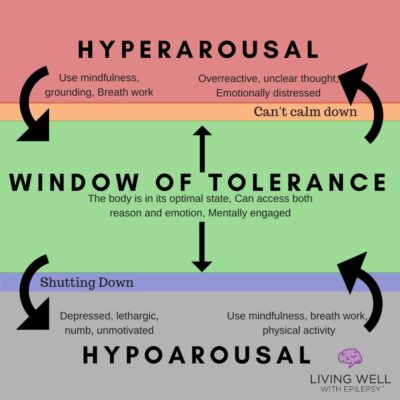
Mindfulness is a cornerstone of DBT, helping you stay present and aware. For individuals with epilepsy, mindfulness can reduce stress, recognize early seizure signs, and promote overall well-being. Techniques such as deep breathing and body scans can be easily incorporated into your daily routine, providing moments of calm and balance.
Distress Tolerance: Managing Tough Moments
Distress tolerance skills are essential for handling difficult emotions and crises without making things worse. This is particularly important for managing the emotional challenges that can accompany epilepsy. Techniques like distraction, self-soothing, and radical acceptance help you cope with intense emotions and maintain stability during crises.
Emotion Regulation: Balancing Your Emotions
Emotion regulation is the ability to understand and manage your feelings, preventing them from becoming overwhelming. For those with epilepsy, this skill is crucial for maintaining emotional balance and reducing stress. DBT provides tools to identify your emotions, understand their causes, and develop strategies to manage them effectively.
Interpersonal Effectiveness: Building Strong Relationships
Interpersonal effectiveness ensures that you can communicate your needs clearly and build stronger relationships. This skill is vital for fostering a supportive network of family, friends, and healthcare providers. Techniques such as assertive communication and the DEAR MAN skill (see below but don’t worry, we’ll get into these more later) from DBT can help you express yourself confidently and effectively.

Integrating DBT into Your Epilepsy Care Plan
By incorporating DBT’s four key skills into your epilepsy care plan, you create a supportive environment that addresses both the physical and psychological aspects of epilepsy. This skills based method ensures that all pieces of your health puzzle fit together, leading to a more comprehensive and effective management strategy.
Putting it all Together
DBT can be an essential part of your epilepsy healthcare plan, helping you achieve better health through a structured approach to emotional and mental well-being. By mastering mindfulness, distress tolerance, emotion regulation, and interpersonal effectiveness, you can navigate your epilepsy journey with greater ease and achieve better health outcomes. Start incorporating these DBT skills into your daily routine and discover the difference they can make in your life.
One easy way is to work with an epilepsy coach that also has epilepsy and is familiar with DBT, just a thought…
Book a FREE discovery call









Leave a Reply