This story is sponsored by Epilepsy Wellness Advocates and The Charles L. Shor Epilepsy Opportunity Fund
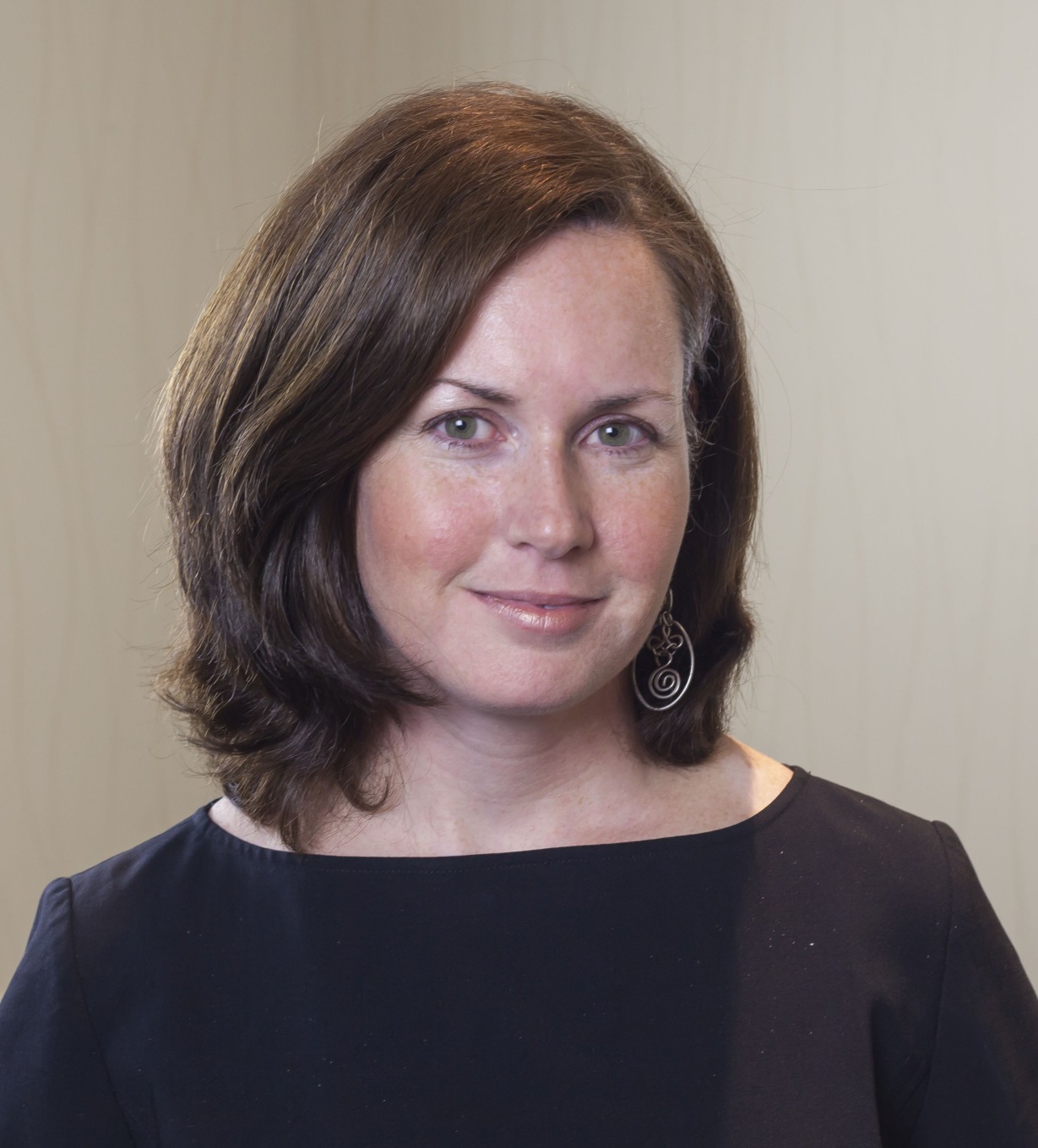
 Lainie’s Story
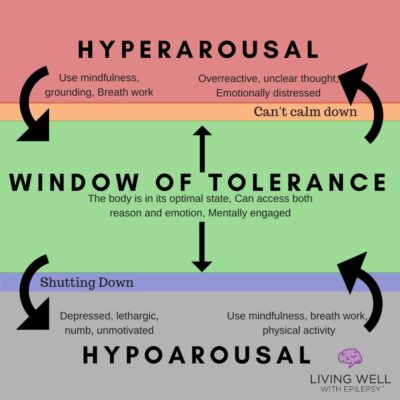
The practice of mindful acceptance, also known as mindfulness, enables us to observe our thoughts rather than be completely pulled into their story line. I was pulled into my own negative story line of having Epilepsy every single day and feeling that there was no control that I had over the situation. Initially, I thought that my fate was to be living a life of constant medication, side effects, grand mal seizures and anxiety, all of which we all know, is a big part of having Epilepsy. When I woke from the haze of my impending fate I realized that I wasn’t going to go down without a fight!
It is my belief now that it is possible to be diagnosed with a condition like Epilepsy and not completely hand the reins of your management plan over to a doctor. I spent 8 years on massive amounts of medicine within the doctor’s office. Then I spent the next 12 years tweaking my epilepsy management plan outside of the doctor’s office.
Take a second to share your thoughts
Mindful acceptance
Over the years I have tried Reiki, Acupuncture, Bowen Therapy, Medicinal Plants, Naturopathy, Western Medicine, Hypnotherapy, Integrative Medicinal therapy which tested minerals, vitamins and nutritional deficiencies in my blood, Meditation, Hormonal balancers and the list goes on. The thing is…..they all worked on some level even though I still had seizures once a month, sometimes twice.
Read the latest science on Chinese Medicine and Epilepsy
Integrative Medicine vs Functional Medicine
The struggle for mindful acceptance
What didn’t work was my inner struggle. I wanted so badly to cure myself of Epilepsy that I never accepted that I even had seizures. Even writing the word Epilepsy for this article had me wanting to use another word in its place. It was only when I realized, through practicing mindfulness meditation and connecting with my body that finding a cure will not cure me anyway.
A little self-love and gratitude goes a long way
Self love and self acceptance of what’s happening right now can be the only cure and this is not something that a doctor can write a prescription for, or that can be infused in a tea strainer or sold via a supplement jar. It’s so good to be walking the journey of Epilepsy empowerment with you all.
Thank you to Lainie for sharing her epilepsy journey.






Leave a Reply